Stronger Together: Connecting Sudan’s Local Responders.
The Responders Coordination Network (RCN) links grassroots actors, ERRs and community-led groups to strengthen local coordination and collective
action.
The Responders Coordination Network (RCN) is a community-driven platform uniting local responders, ERRs, CBOs, youth groups, and humanitarian partners. Built on trust and shared purpose, RCN makes coordination simpler and more inclusive so frontline actors can work together effectively.
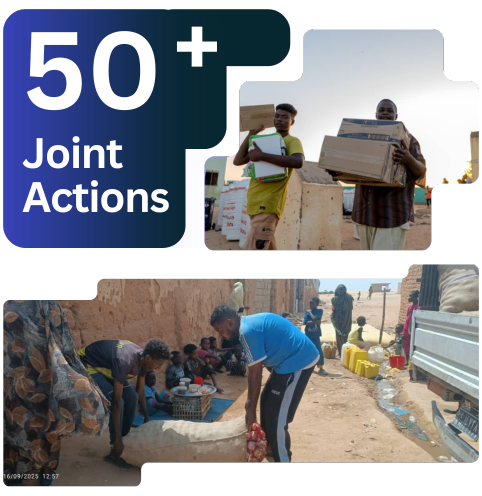
For us, coordination means joint action, shared learning, and community leadership. Through State Hubs and the National Forum, responders exchange knowledge, solve challenges, and elevate local solutions. With 50+ joint actions already completed, RCN continues strengthening community-led response across the country.
A focused network of ten committed members working together to strengthen coordination, share expertise, and drive collective impact. Our size allows for close collaboration, trust, and effective decision-making.
States
0+
Active across two states, enabling deep local engagement and strong contextual understanding. This targeted presence ensures our work is grounded in local realities while remaining strategically aligned.
Trainings
0+
More than ten capacity-building trainings delivered to support members and partners with practical skills, technical knowledge, and tools for effective implementation.
Joint Actions
0+
Over twenty joint actions carried out through coordinated efforts among members and partners, translating collaboration into tangible results on the ground
Risk mitigation &
Compliance
Media & Communication
Leadership & Growth
Onboarding new members
Fostering Coordinated Local Action To Address Humanitarian Needs Effectively
The RCN (Response Coordination Network) is a member-based network of trusted local actors working together to improve coordination, information sharing, and collective humanitarian action. Built on shared values and operational experience, RCN enables locally led.
With a focused network of ten committed members, RCN fosters close collaboration, trust, and effective decision-making. This structure allows members to plan jointly, respond rapidly, and translate coordination into meaningful impact on the ground responses that are timely, principled, and grounded in community realities
Through more than ten capacity-building trainings and over twenty joint actions, the network supports members and partners with practical skills, shared tools, and coordinated implementation. These efforts reflect RCN’s commitment to turning collaboration into tangible humanitarian outcomes
Preparing Warmth, Delivering Dignity
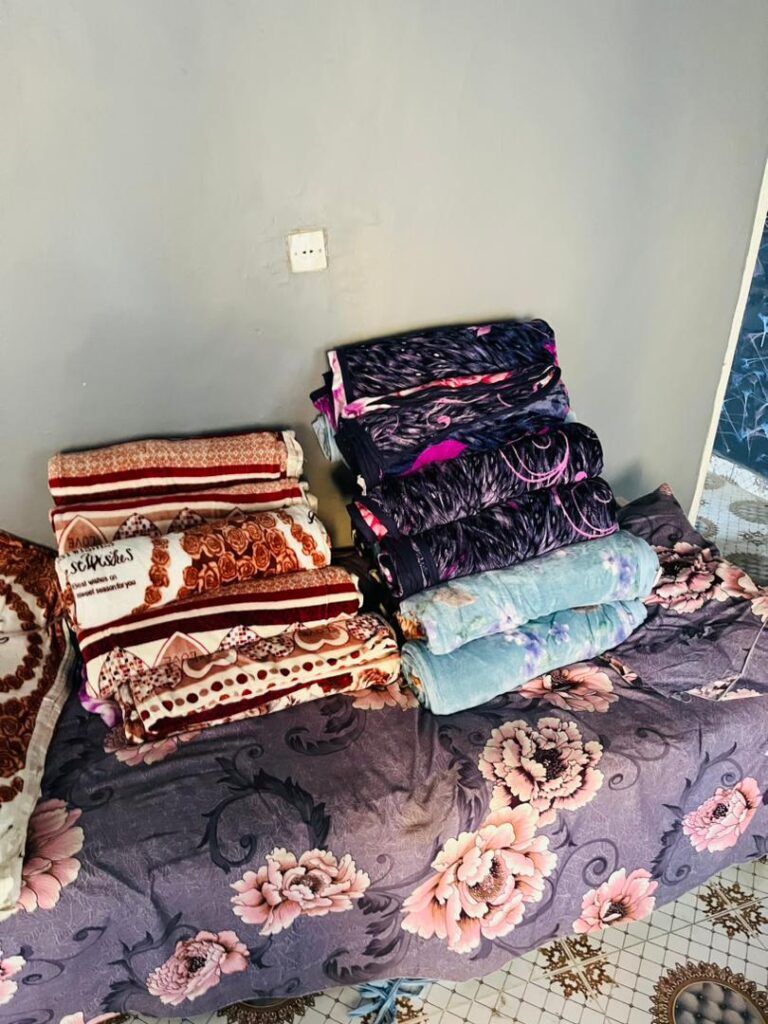
These images capture volunteers from Badeen Island Emergency Response Roomworking together to prepare winter clothing for people displaced from their homes. Each item is carefully sorted, folded, and packed, reflecting a collective effort to ensure families receive warmth, protection, and dignity during harsh winter conditions. Driven entirely by volunteer commitment, this work goes beyond material assistance. It represents solidarity with displaced communities, rapid local response, and a deep understanding of urgent seasonal needs. Volunteers coordinate logistics, verify quantities, and prepare distributions with care, knowing that timely winterization support can mean safety, health, and comfort for vulnerable families.
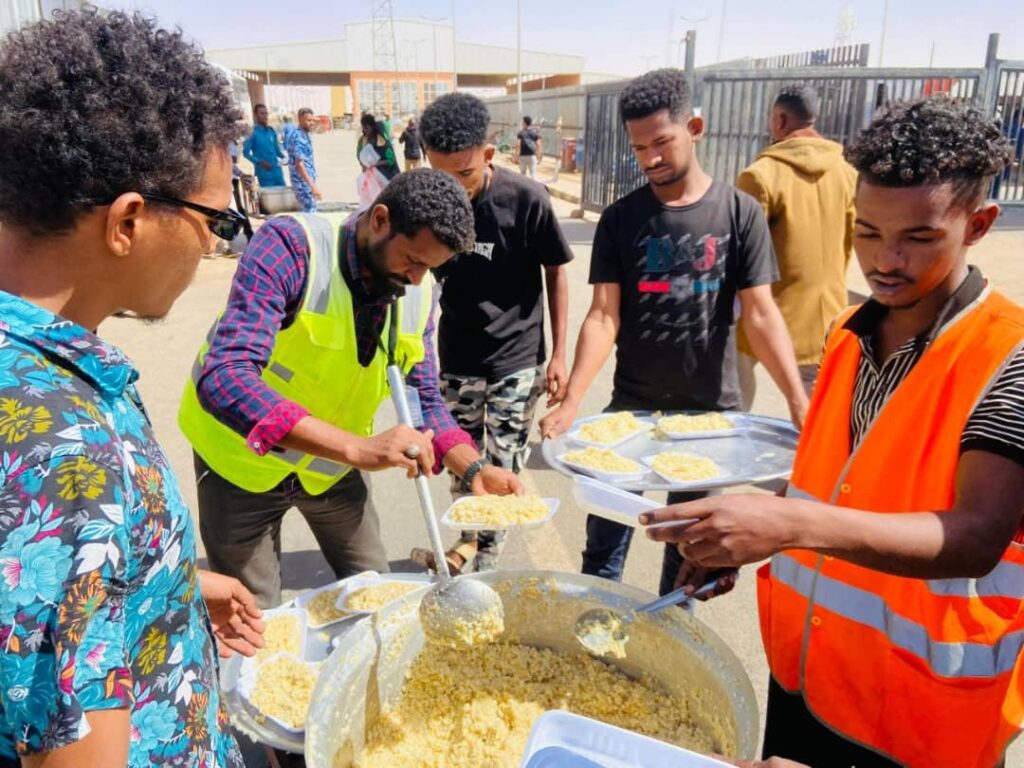
This effort is part of a broader community-led response that turns compassion into action. Through coordination, shared responsibility, and hands-on engagement, Badeen Emergency Response Room continues to demonstrate how local volunteers play a critical role in meeting immediate humanitarian needs when and where they matter most.
Membership
The RCN is a member-based network composed of trusted local actors who collaborate to strengthen coordination, information exchange, and collective action in response to humanitarian needs. Membership is built on shared values, operational experience, and a commitment to principled, community-led response. Due to security and protection considerations, the identities and profiles of individual members are not publicly disclosed. This approach is essential to safeguarding members who operate in complex and sensitive environments, while still enabling effective collaboration and accountability within the network. RCN membership follows a structured approach that emphasizes trust, mutual responsibility, and coordinated engagement. Members contribute through joint planning, implementation of collective actions, participation in capacity-building initiatives, and continuous knowledge sharing. Clear internal communication mechanisms and agreed-upon standards guide how members work together and represent the network.
Youth volunteers lead early learning drive in Kassala, ERRs and CBOs collaborate on hygiene awareness in North Darfur
We empower communities to take the lead in shaping solutions that respond directly to their needs. Our network connects local responders, grassroots organizations, and youth-led initiatives to build stronger, faster, and more inclusive humanitarian coordination—rooted in trust, collaboration, and shared learning.
Local leaders understand their communities best. We support locally led decision-making that ensures responses are culturally relevant, impactful.
Collaborative Partnerships
We bring together community organizations, volunteers, and stakeholders to share knowledge, align efforts, and create unified solutions for lasting change.
Youth-Powered Innovation
Young changemakers play a vital role in shaping resilient communities. We nurture youth initiatives that inspire creativity, leadership, and sustainable development.
Map or State Overview
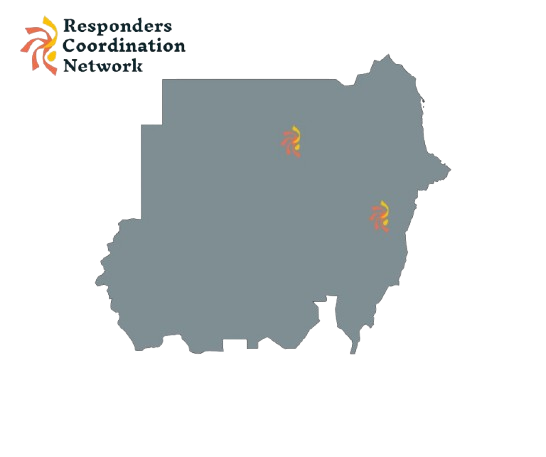
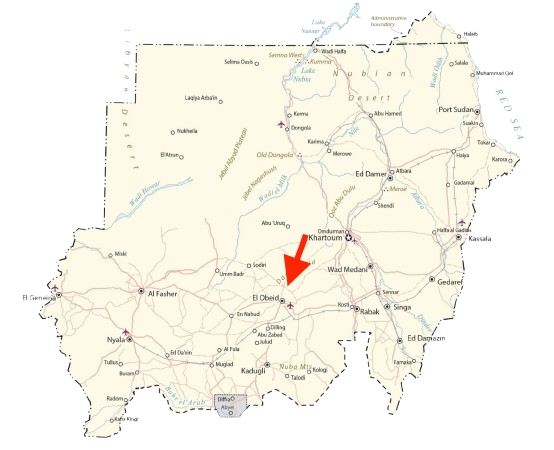
The Responders Coordination Network (RCN) is active across multiple states, connecting local responders through community-led coordination hubs. Each highlighted region represents an active State Hub where ERRs, CBOs, youth groups, and local initiatives work together to share knowledge, respond to emerging needs, and strengthen collective action.
These hubs play a crucial role in exchanging updates, planning joint activities, and elevating local solutions to the national level. As the network continues to expand, more states are joining the RCN to build stronger, more connected community response systems.